Company
Oct 19, 2026
4 min read
Bluefish, Ben, and the New Rules of Brand Building in AI
Agentic Marketing
AEO
Company
Company
Oct 19, 2026
Bluefish, Ben, and the New Rules of Brand Building in AI

Alex Sherman
CEO
Contents
Share this page
There's a particular kind of frustration with AI that only a marketer can appreciate.
You spend years building a brand, investing millions of dollars in its reputation and working to establish a meaningful trusted relationship with your customers. Every marketing message and campaign contributes to a larger story about what your brand stands for.
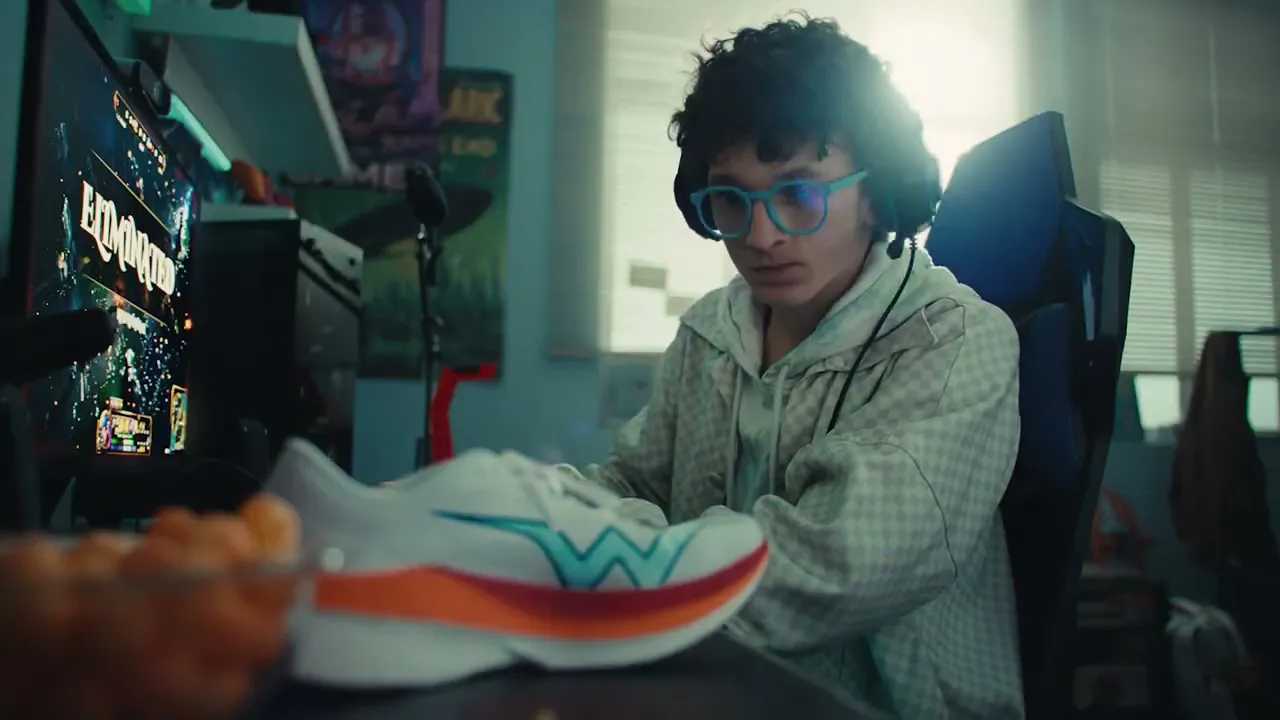
Then suddenly, you discover that AI doesn’t care about any of that, and random low-quality online content suddenly has more influence over how AI describes your brand than anything you’ve published. Ben speaks, and AI listens.
But Ben doesn’t know anything about your brand. He's not your target customer or even really a consumer of your products. What he does have are opinions — extreme and not necessarily informed by very much. And somewhere in the enormous universe of information informing large language models, those lightweight opinions are shifting billions of responses AI provides to your customers.
It is an extreme shift, and one that creates a real and sudden challenge facing marketers today.
As consumers increasingly turn to AI for recommendations and purchase decisions, brands are being represented by systems they don't control or influence. The information informing AI answers doesn't always reflect the brand truth marketers have spent years creating.
That's what inspired our first brand commercial, and it's also central to why we built Bluefish in the first place.
Bluefish puts brands back in the driver’s seat with AI
For all the attention being paid to AEO, whether a brand appears in an AI-generated answer is only a small part of the challenge to marketers on the agentic internet.
Fortune 500 marketing leaders aren't measured by mentions in ChatGPT. They are responsible for sales, for building market share and driving growth. That mandate hasn't changed, but the way consumers arrive at purchase decisions is changing dramatically with the adoption of AI, and creating a new paradigm for marketers. What once depended largely on reaching and persuading consumers directly now also requires influencing the AI systems informing their decisions.
Bluefish is built for this new reality, with a deep appreciation for the complexity of enterprise marketing. Consider a global brand with dozens of product lines, regional marketing teams, complex approval processes, and significant investments across organic and paid media. Improving how that brand appears in AI isn't as simple as updating a few pages of content. It requires understanding the sources influencing AI's recommendations and orchestrating efforts across the organization to improve them.
That's why we built Bluefish as an end-to-end agentic marketing platform rather than another point solution for AI search.
For enterprise organizations, that distinction is especially important. Marketing happens across business units and global teams, with substantial investments and established ways of working. Agentic Marketing can't be another isolated function operating outside that reality.
As AI becomes more influential in purchasing decisions, Bluefish intelligence will become increasingly critical to marketing strategy itself, helping brands understand how their products are being interpreted and where they need to invest to earn consumer preference.
Which brings us back to Ben.
The point of our commercial isn't that Ben is the villain. It’s that marketers have spent decades trying to win the hearts and minds of their customers. Now they have to win over the models informing those customers, too.
We see that as an evolution of marketing itself, not simply the emergence of another channel or optimization tactic.
While Ben is certainly entitled to his opinions, the brands that have invested so much in building their reputations deserve a voice in the conversation, too.
Build the brand AI believes in.
About the author
Alex Sherman
CEO