" width="124.99999816468596px"><path d="M 54.181 6.847 L 47.466 6.847 L 47.466 2.585 C 47.466 2.235 47.608 1.9 47.86 1.657 L 49.06 0.496 C 49.301 0.263 49.623 0.133 49.958 0.133 L 58.443 0.133 C 58.793 0.133 59.128 0.275 59.371 0.526 L 60.532 1.727 C 60.765 1.967 60.895 2.289 60.895 2.624 L 60.895 11.11 C 60.895 11.459 60.753 11.794 60.502 12.038 L 59.301 13.199 C 59.06 13.431 58.739 13.562 58.404 13.562 L 54.181 13.562 Z M 49.016 12.012 L 42.301 12.012 L 42.301 16.235 C 42.301 16.57 42.432 16.892 42.664 17.133 L 43.825 18.333 C 44.069 18.584 44.403 18.726 44.753 18.726 L 49.016 18.726 Z M 3.126 0 L 0 0 L 0 1.966 C 0 2.122 0.061 2.272 0.169 2.384 L 0.71 2.943 C 0.823 3.06 0.979 3.126 1.142 3.126 L 3.126 3.126 Z" fill="rgb(0, 0, 0)" height="18.726460794826536px" id="Z5fIrvb9u" transform="translate(64.105 0)" width="60.8950024371469px"/><path d="M 67.271 0 L 64.144 0 L 64.144 1.966 C 64.144 2.122 64.205 2.272 64.313 2.384 L 64.854 2.943 C 64.967 3.06 65.123 3.126 65.286 3.126 L 67.271 3.126 Z M 84.707 18.726 L 84.707 0.133 L 87.841 0.133 L 87.841 7.411 C 88.558 5.87 90.019 5.127 91.799 5.127 C 93.526 5.127 94.668 5.525 95.597 6.534 C 96.607 7.623 96.686 9.058 96.686 10.705 L 96.686 18.726 L 93.499 18.726 L 93.499 10.864 C 93.499 9.642 93.446 8.898 92.782 8.261 C 92.171 7.65 91.533 7.597 90.763 7.597 C 89.621 7.597 87.868 8.181 87.868 11.342 L 87.868 18.726 Z M 76.018 19.045 C 72.911 19.045 70.228 17.69 70.122 14.503 L 73.07 14.158 C 73.096 15.884 74.292 16.787 76.045 16.787 C 77.825 16.787 78.754 16.15 78.754 15.034 C 78.754 13.866 77.107 13.653 75.115 13.148 C 72.751 12.537 70.494 11.794 70.494 9.111 C 70.494 6.269 73.07 5.127 75.726 5.127 C 78.622 5.127 81.092 6.189 81.384 9.35 L 78.489 9.828 C 78.409 8.181 77.4 7.384 75.726 7.384 C 74.557 7.384 73.468 7.836 73.468 8.872 C 73.468 9.908 74.69 10.227 76.39 10.598 C 78.887 11.156 81.729 11.714 81.729 14.848 C 81.729 18.062 78.94 19.045 76.018 19.045 Z M 56.327 18.726 L 56.327 7.969 L 54.414 7.969 L 54.414 5.445 L 56.327 5.445 L 56.327 3.586 C 56.327 1.009 57.735 0 60.444 0 C 61.081 0 61.825 0.08 62.117 0.159 L 62.064 2.709 C 61.639 2.63 61.081 2.577 60.789 2.577 C 59.886 2.577 59.461 2.736 59.461 3.612 L 59.461 5.445 L 62.171 5.445 L 62.171 7.969 L 59.461 7.969 L 59.461 18.726 Z M 64.11 18.726 L 64.11 5.445 L 67.27 5.445 L 67.27 18.726 Z M 46.183 19.045 C 44.111 19.045 42.517 18.381 41.375 17.212 C 40.153 15.964 39.595 14.211 39.595 12.059 C 39.595 10.014 40.18 8.261 41.375 6.986 C 42.544 5.764 44.137 5.127 46.156 5.127 C 48.255 5.127 50.034 5.923 51.15 7.331 C 52.212 8.659 52.744 10.678 52.664 12.962 L 42.783 12.962 C 42.836 15.433 43.951 16.681 46.156 16.681 C 48.095 16.681 49.105 15.858 49.397 14.237 L 52.451 14.476 C 51.761 17.531 49.583 19.045 46.183 19.045 Z M 42.809 10.598 L 49.45 10.598 C 49.397 9.855 49.158 9.084 48.706 8.527 C 48.122 7.809 47.325 7.491 46.156 7.491 C 44.908 7.491 44.005 7.916 43.473 8.659 C 43.048 9.244 42.862 9.961 42.809 10.598 Z M 29.597 19.045 C 27.897 19.045 26.728 18.594 25.772 17.584 C 24.736 16.495 24.63 14.848 24.63 13.228 L 24.63 5.445 L 27.844 5.445 L 27.844 13.069 C 27.844 14.29 27.87 15.22 28.508 15.884 C 29.145 16.522 29.836 16.575 30.606 16.575 C 31.855 16.575 33.475 15.937 33.475 12.776 L 33.475 5.445 L 36.583 5.445 L 36.583 18.726 L 33.502 18.726 L 33.502 16.787 C 32.785 18.248 31.43 19.045 29.597 19.045 Z M 17.85 18.726 L 17.85 0.133 L 21.011 0.133 L 21.011 18.726 L 17.85 18.726 Z M 0 18.726 L 0 0.133 L 6.773 0.133 C 10.227 0.133 14.052 0.664 14.052 5.18 C 14.052 7.092 13.069 8.447 11.555 9.191 C 13.6 9.934 14.769 11.289 14.769 13.573 C 14.769 18.222 10.97 18.726 7.066 18.726 Z M 3.32 16.07 L 6.959 16.07 C 9.536 16.07 11.528 15.99 11.528 13.414 C 11.528 10.625 9.111 10.572 7.092 10.572 L 3.32 10.572 Z M 3.32 7.916 L 6.561 7.916 C 8.792 7.916 10.811 7.862 10.811 5.366 C 10.811 2.895 8.792 2.816 6.588 2.816 L 3.32 2.816 Z" fill="rgb(0, 0, 0)" height="19.04499996813226px" id="hc3K9vveG" width="96.68634569718273px"/></g></svg>)

What Black Friday & Cyber Monday 2025 Reveal about AI Shopping and Why AI Commerce Belongs in Every CMO’s Playbook
december 2025
Allison Gaffney with OpenAI

This year marks a historic turning point: Black Friday 2025 is the first major shopping event where AI-powered platforms are guiding a broad base of consumers in discovery, research, and purchase decisions.
The Bluefish Methodology
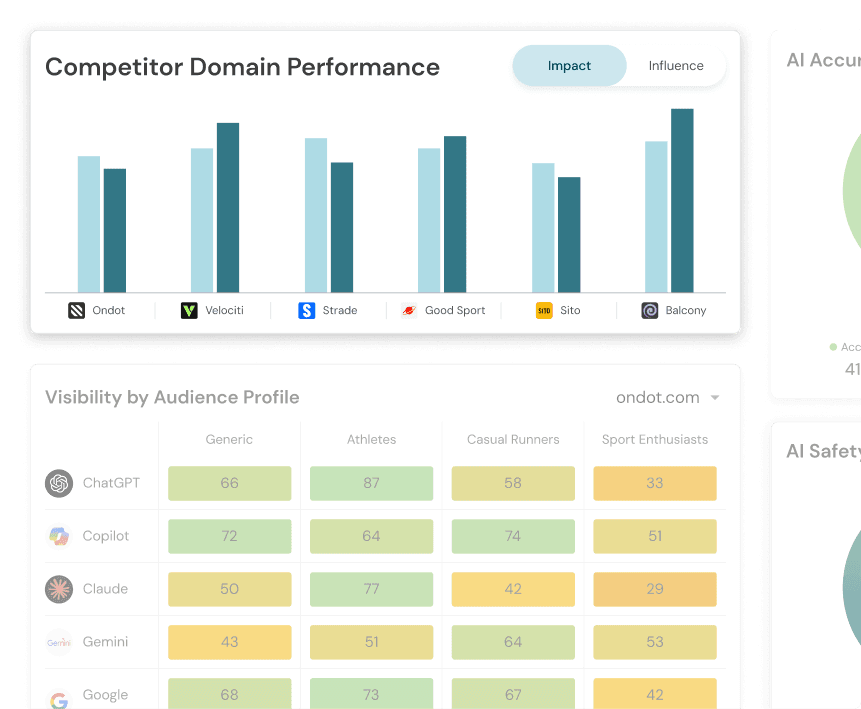
Bluefish analyzes millions of interactions across AI platforms to determine how to best position your brand & take action to drive growth within AI Commerce.

Who won Black Friday across AI Commerce?
Bluefish analyzed millions of AI shopping data points over Black Friday and Cyber Monday; these brands & retailers had the most overall visibility.
When looking across major Black Friday categories, we see that Best Buy leads all retailers across 4 of the most important categories: Computers, Home Appliances, Phones and TVs. Apple’s strong presence in Phones underscores the value of aligning brand visibility with consumer expectations in key tech categories. Nike’s leadership in Shoes and Samsung’s leadership in TVs mirror overall awareness trends within each category.
Top Retailers: Best Buy dominates AI Black Friday searches by owning the ‘best deal’ story across categories
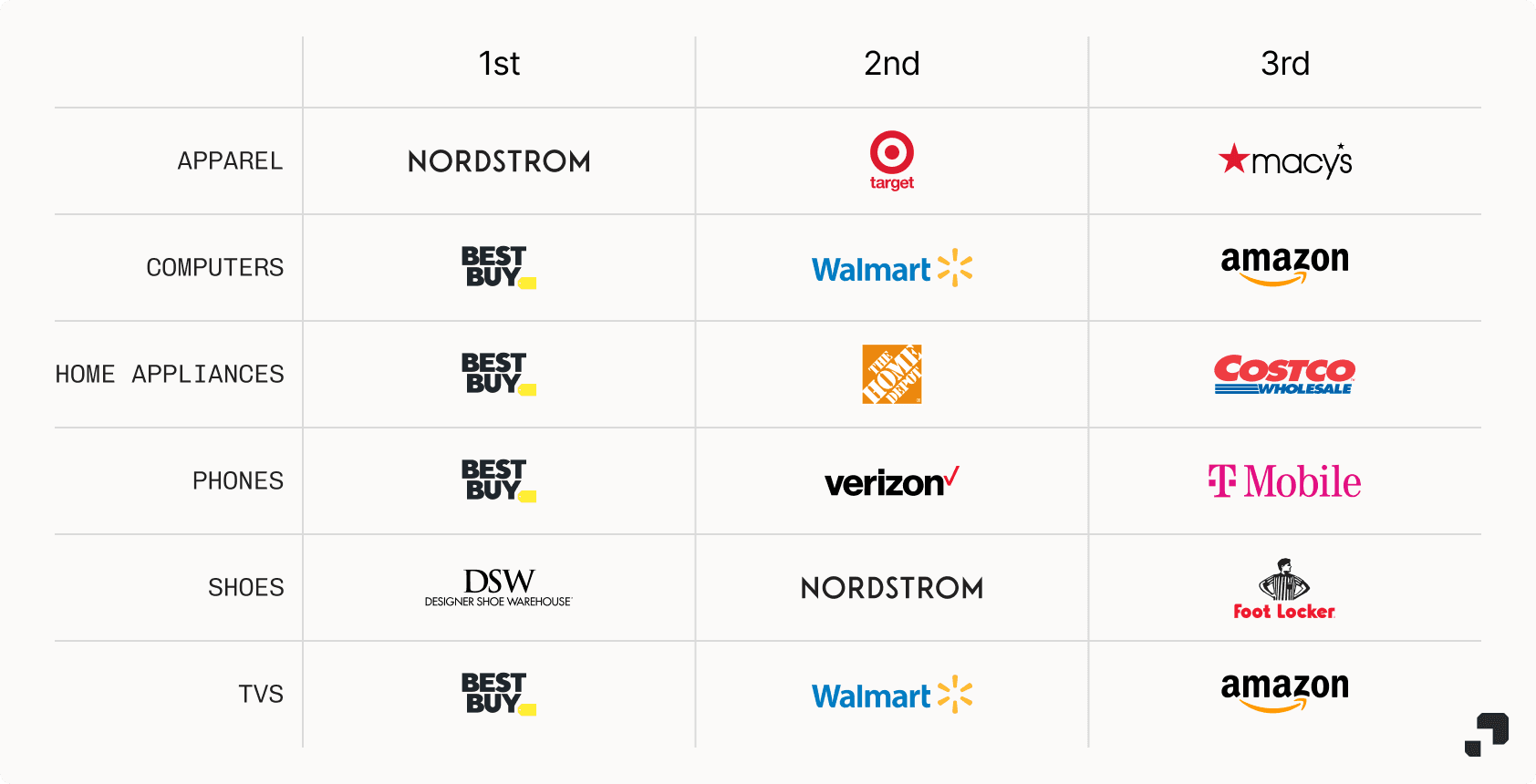

Exhibit 1: Retailers Most Visible in top AI Search categories during Black Friday & Cyber Monday
Top Brands: The most visible brands leveraged their high awareness across demographics
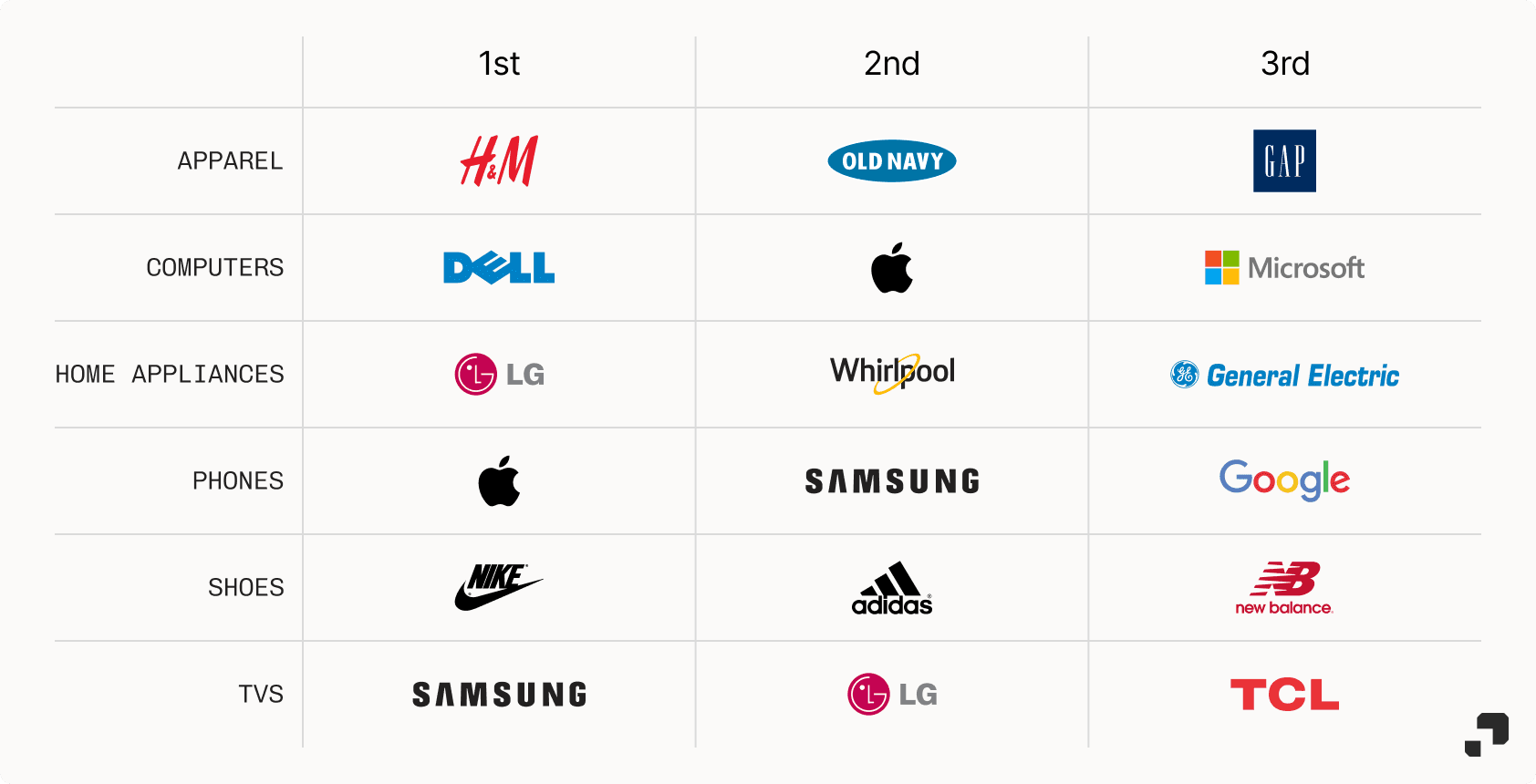

Exhibit 2: Brands Most Visible in top AI Search categories during Black Friday & Cyber Monday
AI Commerce is becoming hyper personalized
Different consumer demographics who ask the same question will get very different answers from AI Platforms.
AI commerce is becoming hyper personalized, which means when different consumers ask the same question they see entirely different brands. Black Friday was no exception as differences in age and budget drove dramatically different visibility results. This fragmentation shows that there is no single winner in any category; leadership depends on who is asking and what their budget looks like. Marketers that work with Bluefish understand the need to design audience-specific GEO strategies rather than relying on one generic brand position.
AI-driven shopping highlights generational divides in top brand recommendations
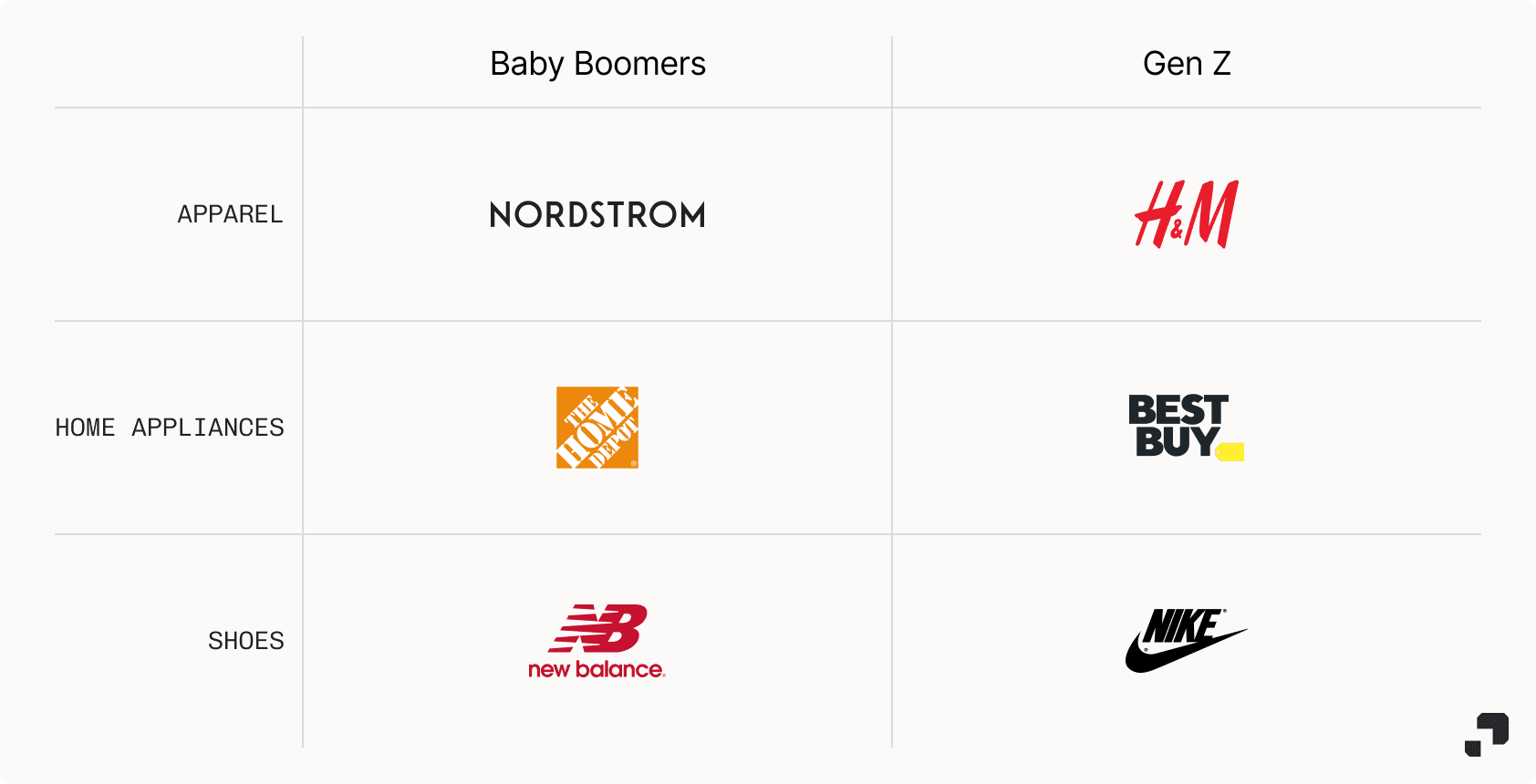

Exhibit 3: Most Visible Brands within AI Commerce across Baby Boomers & Gen Z
AI Commerce surfaces distinct brands for premium and budget shoppers in every major category
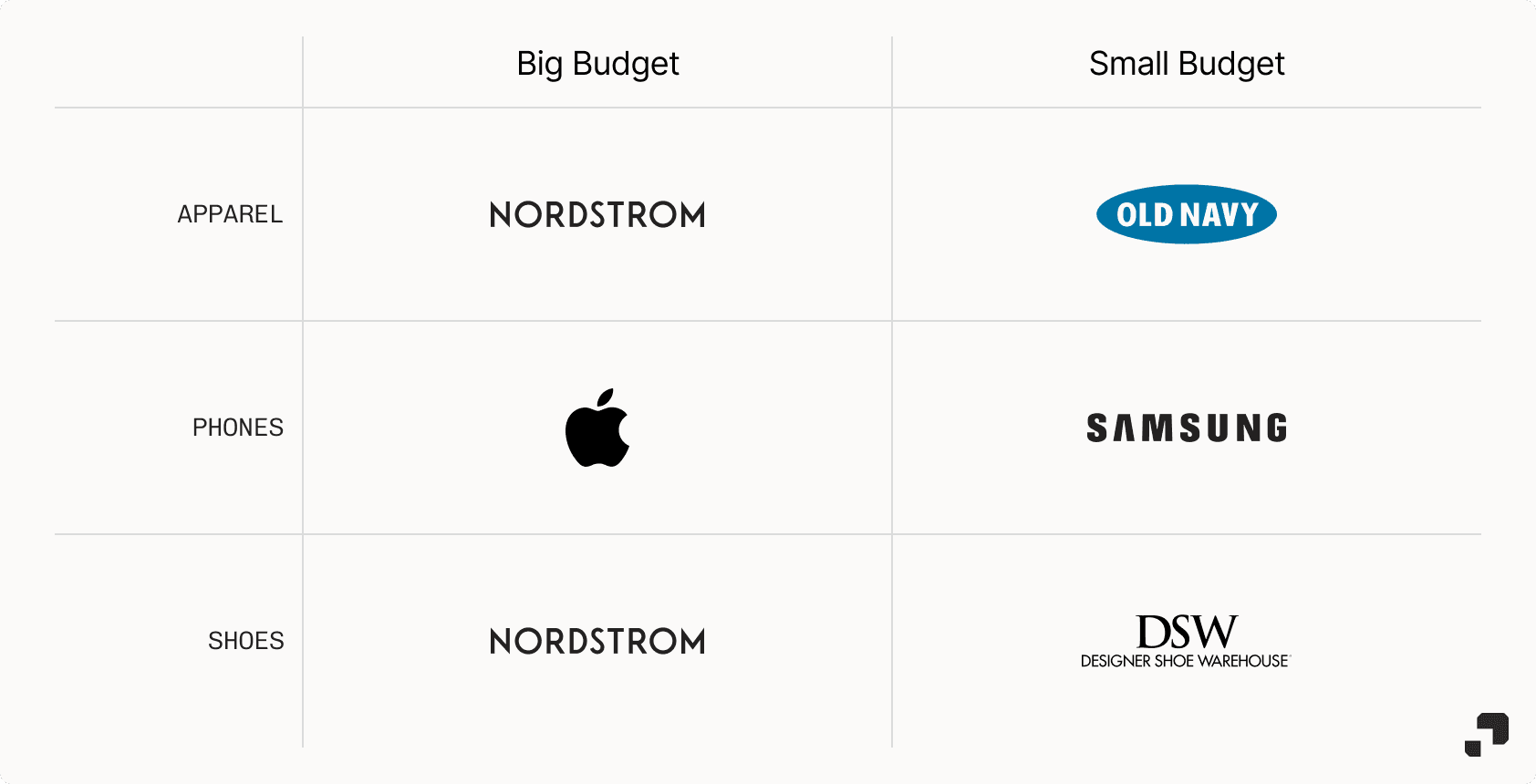

Exhibit 4: Most Visible Brands within AI Commerce for people with High & Low budgets
Putting Bluefish's new Impact & Influence Metrics to Work
New Bluefish metrics reveal which sources actually shaped AI Black Friday recommendations, beyond raw citation counts.
Bluefish has recently introduced a new measurement framework to explain not just where brands are cited in AI answers, but which sources actually shape AI responses. Impact Score measures how closely content from a cited page aligns with AI response text, revealing which sources truly shaped the answer. Influence Rank aggregates impact across thousands of responses to identify sources that most consistently drive your AI representation.
These metrics are applied to millions of data points to reveal which publishers, retailers, review sites, and social platforms really move AI recommendations. The analysis shows that some domains, like CNET, show low citation frequency, yet have significant impact on the answers themselves. These proprietary metrics allow marketers to see which sources AI is genuinely learning from when it answers questions from consumers, and to focus efforts on the outlets that will most directly change how AI platforms describe their brands.
Beyond raw citation counts, a core group of sources exerts outsized influence over how AI describes brands
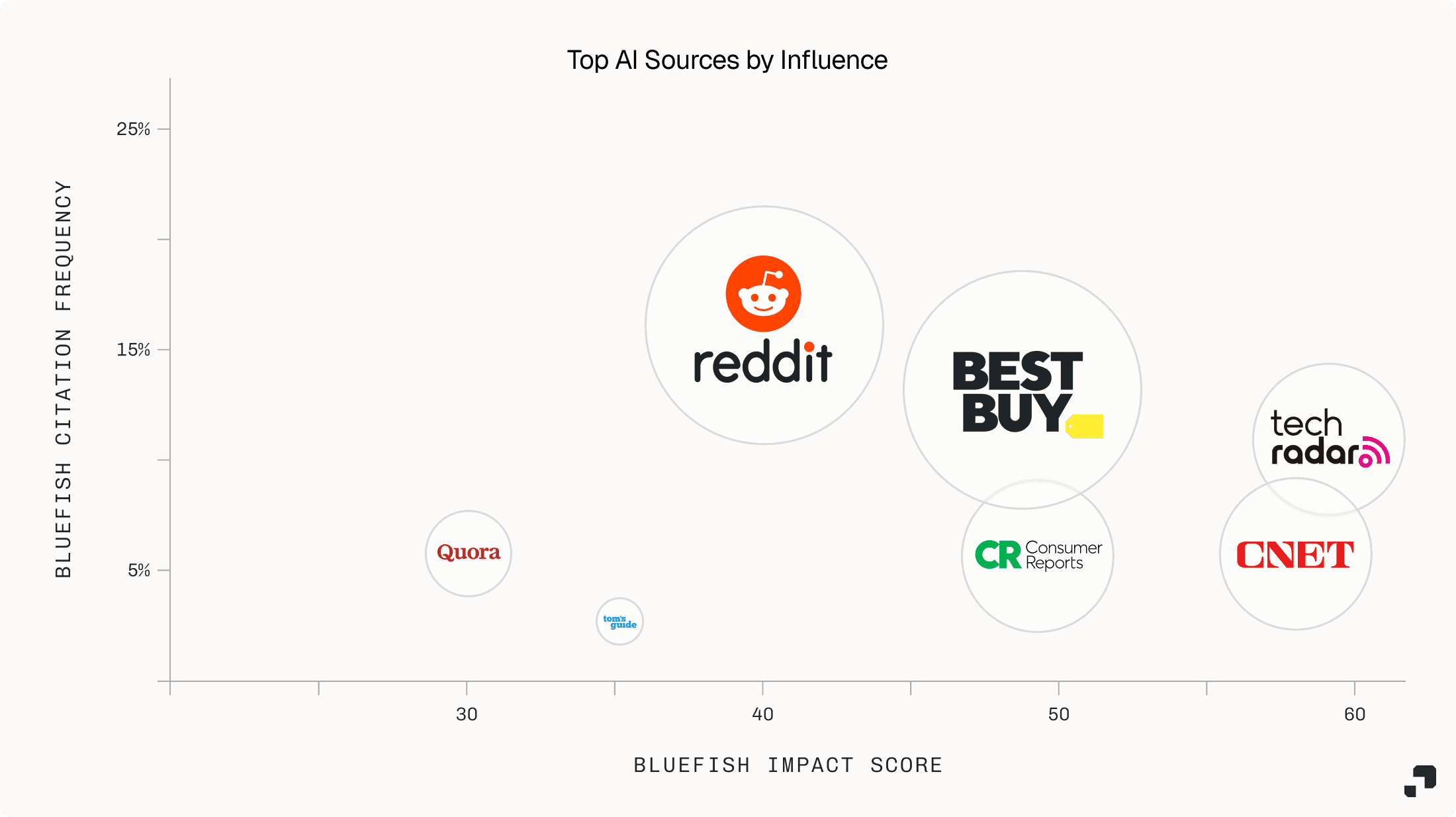
Exhibit 5: Top Scoring AI Source Influencers
Black Friday 2025 and the new AI Marketing mandate
AI is now a primary route to purchase and Bluefish is here to help you build AI Commerce into your core marketing toolkit.
Black Friday 2025 is a clear inflection point. For the first time at scale, consumers turned to AI assistants to decide what to buy and where to buy it. Online spending reached record levels, and a rapidly growing share of that demand flowed through AI shopping journeys rather than traditional search or direct site visits. At the same time, this report shows that what AI recommends is not uniform.
Against this backdrop, AI visibility and GEO cannot be treated as experimental side projects. They need to sit alongside brand, performance, and CRM as a core pillar of the marketing mix.
Rather than treating AI Commerce as a black box, Bluefish analyzes and takes action to drive growth for your brand. This means that Bluefish can put your brand back in the drivers seat within AI Commerce.
The main takeaway is that perception, as constructed by AI, is rapidly becoming the primary interface between consumers and brands. That perception is not fixed. It can be understood, shaped, and actioned by teams that have the right data and tools. Marketers who embrace this reality will not just adapt to the future of AI commerce. They will help define it.